In product and sensory research, the spotlight often falls on methodology, recruitment, or analysis. But there’s a critical layer that underpins it all – logistics.
Because no matter how well designed your study is, if the product arrives late, damaged, inconsistent, or identifiable, your results are already compromised.
Getting product handling right isn’t just operational – it’s foundational to data quality.
Why logistics matters more than you think
Every successful testing process has its own sequence of tiny decisions behind it. How the product is procured, processed, kept, and delivered influences the overall experience your testers will have.
If that experience is inconsistent, your results will be too.
A slightly damaged pack can signal poor quality. A visible brand can trigger preconceptions. Even subtle differences in portioning or presentation can influence how a product is perceived. These aren’t edge cases – they’re everyday risks when logistics isn’t handled with care.
Strong logistics removes that variability, allowing the product to be judged on its own terms.
The role of blinding in protecting your data
One of the most important, and often underestimated, aspects of product handling is blinding.
Participants don’t just respond to what they taste, use, or experience. They respond to what they think they’re using. Branding, packaging cues, and even familiarity can all introduce bias before the product has been properly evaluated.
Effective de-branding removes those signals entirely.
This isn’t simply about covering a logo. It requires a considered approach to how products are presented – ensuring that all identifying features are concealed, while still maintaining usability and realism. When done properly, participants engage with the product itself, not their expectations of it.
Blinding is what allows research to move from opinion to genuine insight.

What good product handling looks like in practice
High-quality logistics is built on control and consistency, long before a product reaches a participant.
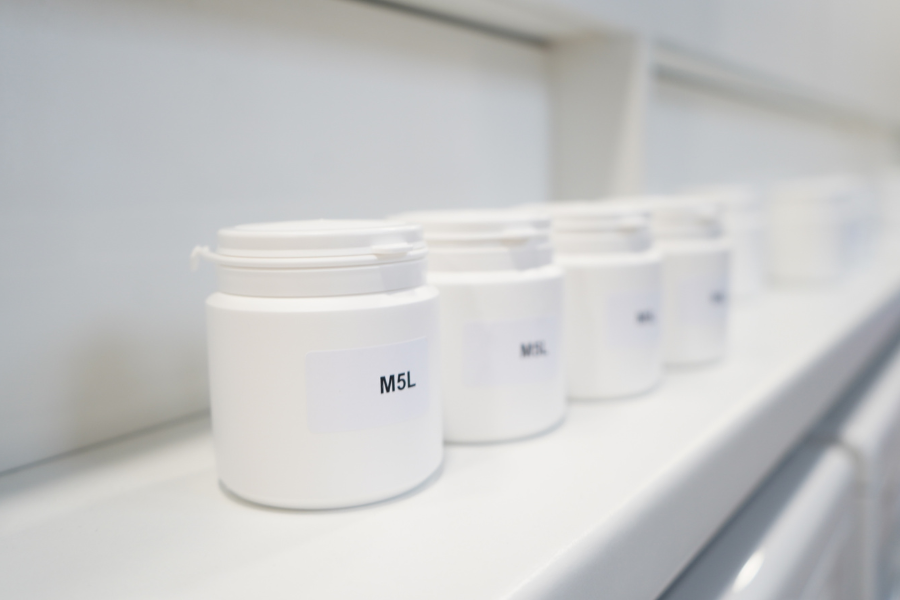
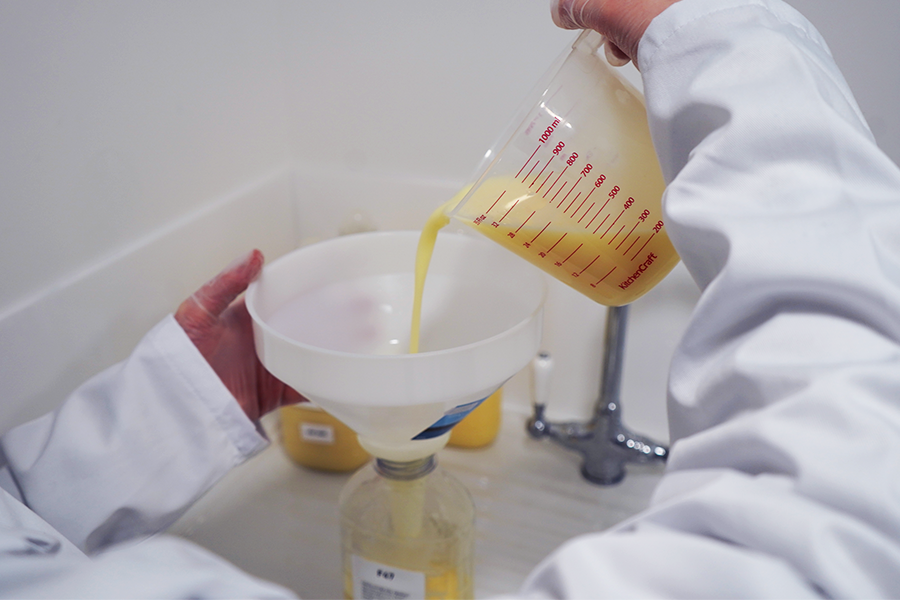
It starts with sourcing. Products need to be purchased efficiently and reliably, with confidence that what arrives is exactly what’s required for the study. From there, preparation becomes critical. Whether that involves decanting into alternative containers, applying clear and consistent labelling, or preparing products for specific test conditions, every step needs to be handled with precision.
At this stage, detail matters. A mislabelled sample or an inconsistent fill level can introduce unnecessary noise into your results.
Packaging then plays its role in preserving the intended experience. Products must be protected in transit, but also presented in a way that aligns with how they are meant to be used. Temperature, shelf life, and handling requirements all need to be considered, particularly for more sensitive categories.
Storage, distribution, and the importance of timing
Logistics doesn’t stop once products are prepared. In many studies, products need to be stored before, during, and even after fieldwork. Without the right environment, consistency across sessions or locations quickly becomes difficult to maintain.
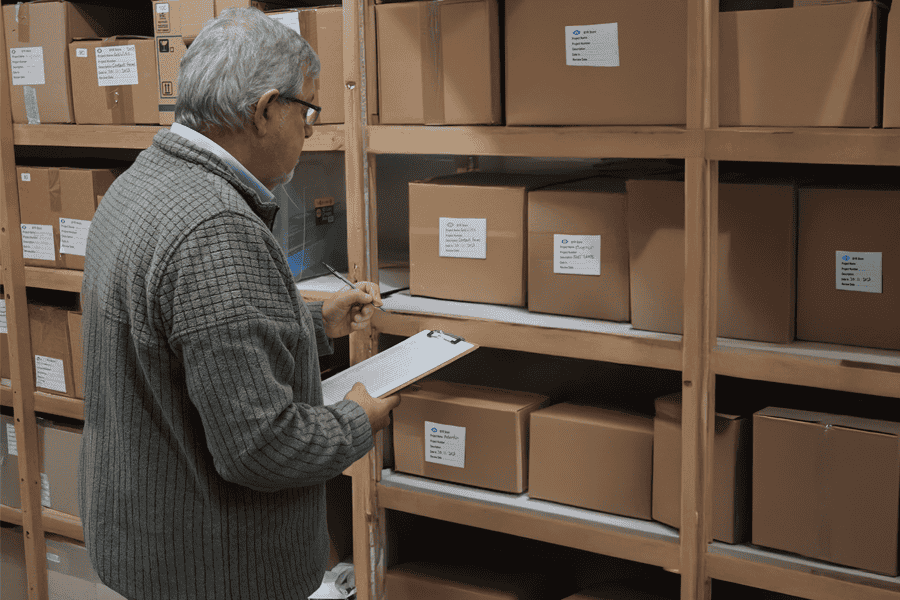
Secure, well-managed storage ensures that products remain in the right condition and are ready when needed. Just as importantly, it allows for clear organisation and tracking, reducing the risk of errors when working at scale.
Distribution is where everything comes together. Fieldwork rarely runs on a simple schedule, and logistics needs to flex around that. Whether products are being sent to multiple locations, individual participants, or timed to arrive within a specific window, reliability is key.
When logistics is working properly, products arrive exactly where they should, exactly when they should – without disruption to the study.
Where it all comes together
When product handling is fragmented, risks increase. When it’s centralised and purpose-built, those risks are significantly reduced.
Having a dedicated logistics hub creates a single point of control. It brings together sourcing, preparation, storage, and distribution into one streamlined process, improving visibility and consistency at every stage.
It also means that logistics is no longer an afterthought. It becomes an integrated part of the research design.